10 Tips To Prepare For a Recession
With all of the uncertainty in the world at the moment, the cost of food and goods going up, I thought it might be a good time to share some tips.
Preparing for a recession can feel daunting, but it is all about becoming more self-sufficient, sustainable, and resilient to economic fluctuations.
1. Grow Your Own Food
Start growing a vegetable garden. Even if you don’t have a lot of space, container gardening or raised beds can provide fresh, affordable produce. You can also grow herbs and fruit.
2. Learn Food Preservation Techniques
Canning, dehydrating, and freezing food can help you store your harvest for later. This not only reduces your grocery bill but also ensures you have plenty of food available during tough times.
3. Reduce Your Energy Consumption
Cut your reliance on utilities by implementing energy-efficient practices like using solar power, composting, or improving insulation in your home. Even simple changes like using LED lights or a clothesline for drying laundry can help save money.
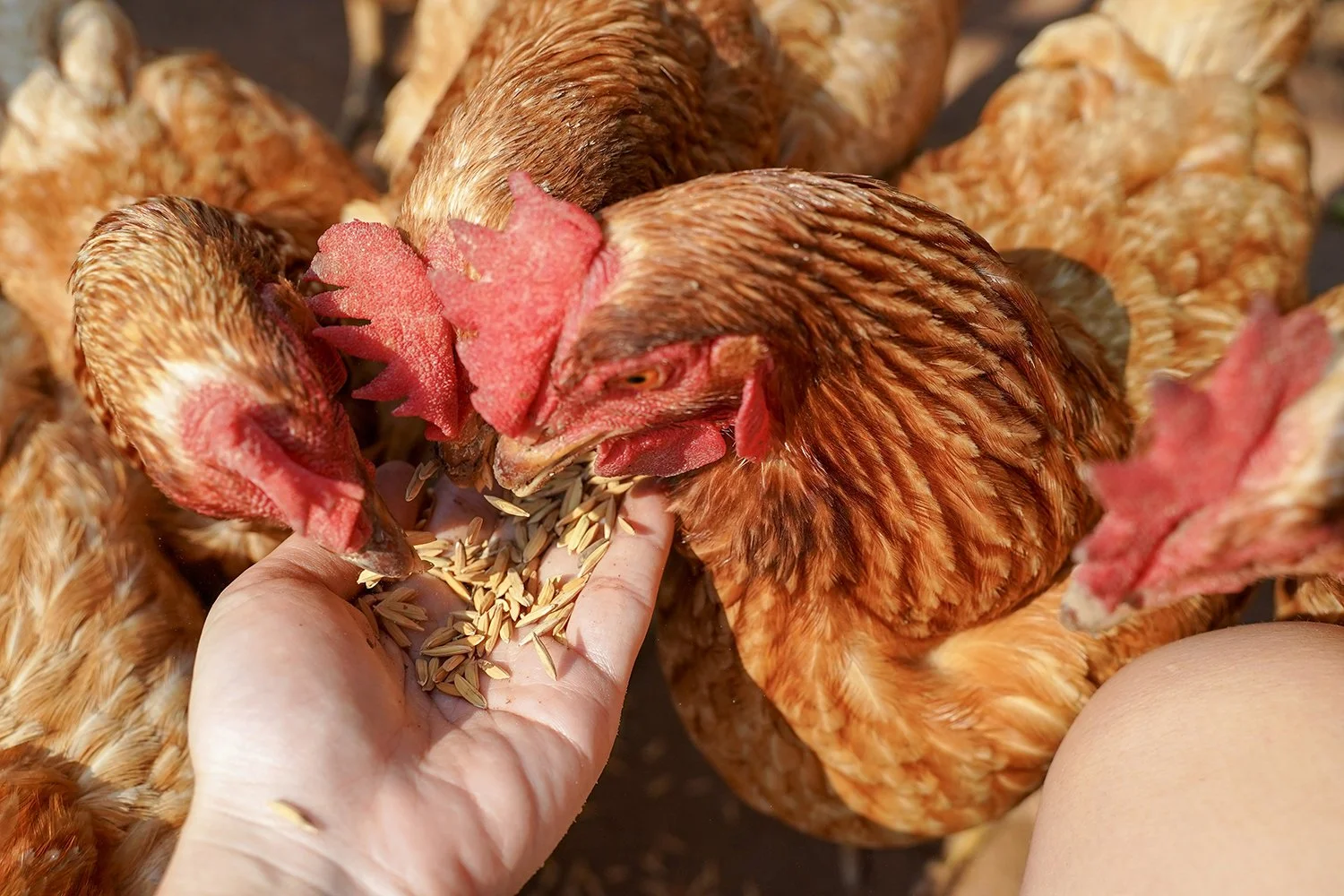
4. Raise Backyard Animals
Consider raising chickens for eggs or even small livestock like rabbits or goats. Not only will this provide a sustainable food source, but it can also help reduce your reliance on the food supply chain.
5. Build and Improve Your Skills
Learn new skills that could be valuable in a recession, like sewing, woodworking, or basic home repairs. These skills can save you money on repairs and allow you to be more self-reliant.
6. Start Composting
Composting kitchen scraps and yard waste can reduce waste and provide nutrient-rich soil for your garden, reducing your need to buy fertilizers and soil amendments.
7. Stock Up on Long-Lasting Goods
Stock up on pantry staples that have a long shelf life, like rice, beans, oats, and pasta. Be mindful of purchasing in bulk to save money over time and reduce the stress of frequent grocery store trips.
8. Practice DIY and Upcycling
Instead of buying new items, try to repurpose and upcycle materials. This could include turning old furniture into something new, creating your own cleaning supplies, or fixing items instead of replacing them.
9. Start a Small Home Business
If you have a skill or hobby you love, consider turning it into a small business. Whether it’s selling homemade crafts, produce, or baked goods, extra income can provide a buffer in uncertain times.

10. Build a Strong Community
Creating strong bonds with neighbors and local communities is important. Swap goods, share knowledge, and support one another through bartering or collective projects or farming efforts.
Being prepared for a recession doesn’t mean panic; it’s about building a resilient and sustainable lifestyle. By growing your own food, learning useful skills, and becoming more self-sufficient, you can weather tough economic times with confidence.
